

NEED MONEY BEFORE PAYDAY? GET UP TO $250!
Yes, payday loans can affect your credit, but usually not just because you took one out.
In many cases, a payday loan may not help your credit score if the lender does not report your on-time payments to the credit bureaus. But if you miss the payment, default on the loan, or the debt gets sent to collections, it can hurt your credit.
In Canada, credit reports can include loans, missed payments, debts sent to collection agencies, lender inquiries, and court decisions related to credit.
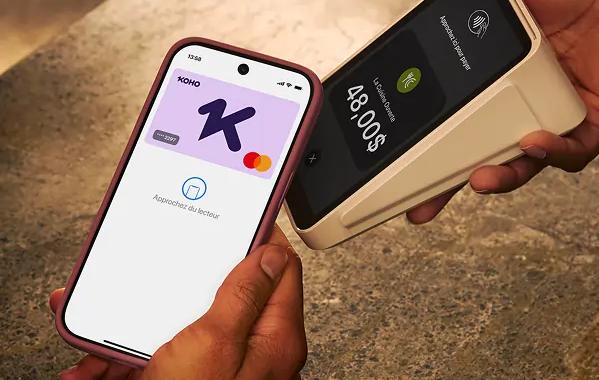
KOHO (Payday Loan Alternative)
KOHO Cover is a payday loan alternative, you can:
Get up to $250 as an instant cash advance (amount depends on eligibility)
Pay no interest on the advance
Avoid a credit check
Repay automatically once you add money or get paid
You subscribe to the Cover bundle for a low monthly fee, and in return you get the advance feature plus extras like a credit report, financial coaching, and priority support.
How Payday Loans Can Affect Your Credit
Payday loans are short-term loans that are usually due by your next payday. They are designed to give quick access to money, but they often come with high borrowing costs and very short repayment windows.
Your credit can be affected in a few different ways depending on the lender, the application process, and whether you repay the loan on time.
A Payday Loan May Lead to a Credit Check
Some lenders may check your credit when you apply for a loan. If that check is a hard inquiry, it can appear on your credit report and may affect your credit score.
Hard inquiries are credit checks that appear on your report when a lender reviews your credit. They can affect your score, and anyone who checks your credit report may be able to see them. Examples include credit card applications, mortgage applications, and loan applications.
One hard inquiry may not destroy your credit, but applying for several loans in a short period can make you look like you are urgently seeking credit. That can be a red flag to lenders.
Paying Back a Payday Loan On Time May Not Build Credit
A common misconception is that repaying a payday loan will automatically improve your credit score.
It might not.
For a loan to help your credit, the lender generally needs to report your repayment activity to the credit bureaus. If your payday lender does not report positive repayment history, paying the loan on time may help you avoid fees and collections, but it may not build your credit profile.
Positive credit information can help your score when it appears on your credit report. This may include the type of loan, the original amount borrowed, and your repayment history.
So if your goal is to build credit, a payday loan is usually not the strongest option. A credit-building product, secured credit card, low-limit credit card, or properly managed line of credit may be more useful because those products are more commonly designed to create a payment history.
Missing a Payday Loan Payment Can Hurt Your Credit
This is where payday loans become more dangerous.
If you cannot repay the loan on time, the lender may charge extra fees, interest, or penalties. If your pre-authorized payment does not go through, your bank may also charge an NSF fee. The amount you owe can grow quickly.
If the lender sends the unpaid debt to a collection agency, it may appear on your credit report. The Financial Consumer Agency of Canada says that if you do not repay a payday loan on time, the lender may deal with a collection agency, and this may show up on your credit report.
Once a debt goes to collections, it can damage your credit and make it harder to qualify for future credit products.
Collections Are the Bigger Credit Risk
A payday loan that gets sent to collections is much more serious than a loan that is repaid on time.
Credit reports in Canada can include debts sent to collection agencies. They can also show whether you missed payments or whether a lender sent your debt to collections.
Negative financial information, including late or missed payments and accounts sent to collection agencies, may lower your credit score. In Canada, late or unpaid credit card and loan information may stay on your credit report for up to six years.
That means a short-term loan can create a long-term credit problem if it becomes unpaid debt.
A Payday Lender or Collection Agency May Sue You
If the debt remains unpaid, the lender or collection agency may take legal action. The Financial Consumer Agency of Canada notes that a payday lender or collection agency may sue you for the debt if you do not repay the loan on time.
A court judgment related to debt can also appear on your credit report. In Canada, judgments are usually kept on credit reports for six years, though TransUnion may keep them longer in some provinces.
This is one reason payday loans can be risky even when the original amount borrowed seems small.
Do Payday Loans Show Up on Your Credit Report?
A payday loan does not always show up on your credit report.
Whether it appears depends on the lender and whether they report loan activity to Equifax or TransUnion. In Canada, these are the two main credit bureaus that track credit history and create credit reports and scores.
A payday loan is more likely to become visible on your credit report if:
the lender performs a hard credit check
the lender reports the account to a credit bureau
you miss payments and the loan goes to collections
legal action leads to a judgment
So the answer is not simply “yes” or “no.” A payday loan may not always appear when everything goes smoothly, but it can become a credit issue when repayment breaks down.
Can Payday Loans Help Your Credit Score?
Usually, payday loans are not a good credit-building tool.
To improve your credit score, you generally need positive payment history, responsible credit use, and accounts that are reported to the credit bureaus. Your score can go up when you pay bills on time and use credit responsibly, and it can go down when you miss payments or carry too much debt.
A payday loan may help you cover an emergency expense, but it is not usually designed to help you build long-term credit. If your payments are not reported, the loan may do nothing positive for your score. If you miss the payment, the downside can be significant.
Why Payday Loans Can Create Credit Problems
Payday loans can create credit problems because they are usually due quickly. If your next paycheque is already needed for rent, groceries, bills, or other debts, repaying the loan may leave you short again.
That can lead to a cycle where you borrow again to cover the gap.
The Financial Consumer Agency of Canada warns that payday loans are expensive compared to other ways of borrowing money, partly because of high fees, possible NSF fees, and interest if the loan is not repaid on time. These costs can make the loan harder to repay and may increase financial stress.
This cycle matters for your credit because the longer the loan stays unpaid, the higher the chance of collections, missed payment records, and deeper financial damage.
What to Do If You Cannot Repay a Payday Loan
If you cannot repay a payday loan on time, do not ignore it.
Start by contacting the lender before the payment date. Ask what options are available and whether there are fees, extensions, or repayment arrangements. Make sure you understand the total amount you will owe before agreeing to anything.
You should also review your bank account to avoid an NSF fee if a pre-authorized payment is scheduled and you do not have enough money available.
If the loan has already gone to collections, ask the collection agency for written details about the debt. Keep records of payments, emails, letters, and phone calls. If you believe something is incorrect on your credit report, you can check your credit report and dispute errors with the credit bureau.
In Canada, you can access your credit report online for free from Equifax and TransUnion.
Better Ways to Protect Your Credit
If you are trying to avoid credit damage, the best move is to deal with the debt early.
Try to:
pay the loan before it goes to collections
avoid applying for multiple loans at once
check whether the lender performs a hard credit check
ask whether payments are reported to credit bureaus
review your credit report after resolving the debt
speak with a non-profit credit counsellor if debt is becoming unmanageable
The goal is not only to repay the loan. The goal is to stop a short-term cash problem from becoming a long-term credit problem.
Payday Loans Can Hurt More Than They Help
A payday loan may not automatically hurt your credit, but it can become a problem fast if you miss the payment.
Paying it back on time may not build your score unless the lender reports positive repayment history. Missing the payment, however, can lead to fees, collections, legal action, and negative information on your credit report.
If your main goal is to protect or improve your credit, a payday loan should usually be treated as a last-resort option, not a credit-building strategy.

About the author
Quan works as a Junior SEO Specialist, helping websites grow through organic search. He loves the world of finance and investing. When he’s not working, he stays active at the gym, trains Muay Thai, plays soccer, and goes swimming.
Read more about this author