Back
How to Protect Yourself From Fraud


Written By
Dan Bucherer

a safe, rewarding, and budget-friendly way to spend
To protect yourself from fraud, be cautious with unexpected messages, calls and payment requests.
Use strong passwords and two step verification. Never share verification codes or banking credentials. Regularly check your financial accounts for transactions you do not recognize.
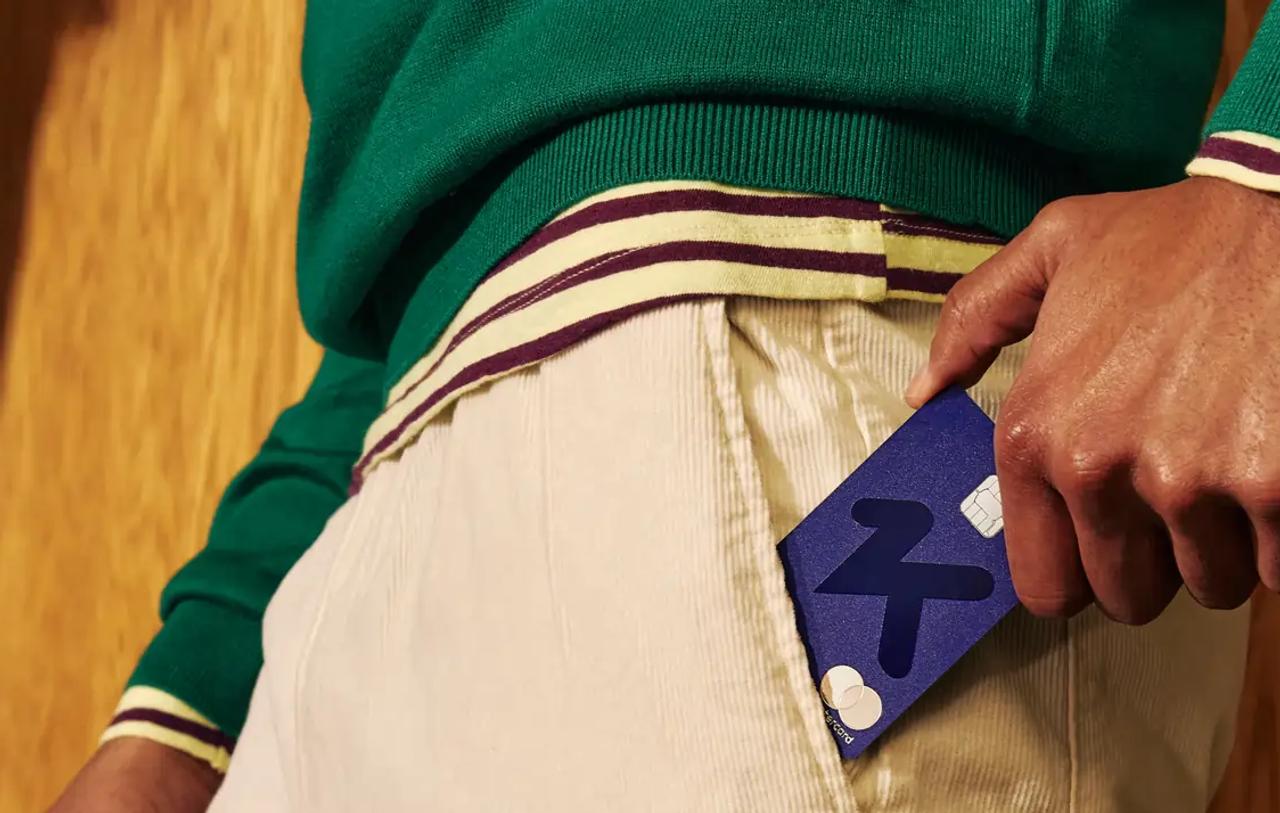
KOHO Prepaid Mastercard
KOHO Prepaid Mastercard is a credit card alternative that lets you spend money you already have.
With KOHO Prepaid Mastercard, you can:
- Get instant approval with no credit check
- Spend only the money you load onto your account
- Pay no interest on your purchases
- Earn up to 2% cash back
- Use your card for in-store purchases, online shopping, and recurring payments
What Are the Most Common Signs of Fraud?
Fraud can take many forms, but there are several warning signs to watch for.
Be suspicious if someone:
- Pressures you to act immediately
- Threatens you with arrest or financial consequences
- Asks for your password or verification code
- Requests payment through gift cards or cryptocurrency
- Asks you to move money into a “safe” account
- Sends an unexpected link asking you to sign in
- Promises money, prizes or investments that seem unrealistic
- Requests payment before recovering money you previously lost
Scammers often create a sense of urgency so you do not have time to question what is happening.
Use Strong and Unique Passwords
Do not reuse the same password across your financial accounts, email and other important services.
If one website is compromised, a reused password could give someone access to several of your accounts.
Use a unique password for each important account.
A password manager can make it easier to create and store strong passwords without having to remember every one.
Turn On Two-Step Verification
Two-step verification adds another layer of protection to your account.
Even if someone obtains your password, they may still need another verification method before they can sign in.
This could include:
- A verification code
- An authenticator app
- Face ID
- Fingerprint verification
- Another trusted device
Never give a verification code to someone who calls or messages you asking for it.
Fraudsters may pretend to work for your bank or another trusted organization to obtain these codes.
Be Careful With Emails and Text Messages
Phishing messages are designed to make you click a fraudulent link or provide personal information.
A message may look like it came from:
- Your bank
- The CRA
- A delivery company
- A streaming service
- An online retailer
- Your employer
Avoid clicking links in unexpected messages.
Instead, open the organization's app or type its official website into your browser yourself.
Don't Trust Caller ID Alone
A phone call can appear to come from a legitimate business even when it does not.
Scammers can manipulate caller ID information.
If someone calls claiming there is a problem with your financial account, hang up.
Call the organization yourself using a trusted phone number. You can usually find it on the back of your card or on the company's official website.
Never Move Money to a “Safe Account”
A legitimate financial institution or government agency should not unexpectedly call and tell you to move your money into another account for protection.
This is a common fraud tactic.
You may be told:
- Your account has been compromised
- Someone is stealing your money
- You need to help with an investigation
- Your funds need to be moved temporarily
Do not transfer the money.
End the conversation and contact your financial institution directly.
Protect Your Personal Information
Fraudsters can use personal information to impersonate you.
Be careful when sharing:
- Social Insurance Number
- Date of birth
- Address
- Banking information
- Credit card numbers
- Passwords
- PINs
- Verification codes
Ask why the information is required before providing it.
Only provide sensitive information when you are confident you are dealing with a legitimate organization.
Check Your Bank and Card Transactions Regularly
Review your accounts frequently.
Look for:
- Purchases you do not recognize
- Small unfamiliar transactions
- Unexpected withdrawals
- New recurring payments
- Transfers you did not make
Small unauthorized charges can sometimes be an early warning that someone has obtained your card details.
Report suspicious transactions as soon as possible.
Check Your Credit Report
Fraud does not always involve money being taken directly from an existing account.
Someone with enough personal information may try to open credit in your name.
Review your Equifax and TransUnion credit reports periodically.
Look for accounts, loans or credit inquiries you do not recognize.
Monitoring your credit can help you identify potential identity fraud earlier.
Be Careful With Public Wi-Fi
Avoid accessing sensitive financial accounts over unsecured public Wi-Fi when possible.
This includes:
- Online banking
- Credit card accounts
- Investment accounts
- Government accounts
Use your mobile data or a trusted private network when accessing sensitive information.
Keep Your Devices Updated
Software updates often contain security fixes.
Keep your:
- Phone
- Computer
- Web browser
- Banking apps
- Email apps
up to date.
Also protect your devices with a password, PIN or biometric authentication.
What Should You Do If Your Card Is Lost or Stolen?
Lock or freeze the card as quickly as possible if your provider offers that feature.
Check your recent transactions after locking the card.
Contact the provider immediately if you see purchases you did not make.
What Should You Do If You See a Fraudulent Transaction?
Act quickly.
Start by:
- Locking or freezing the affected card.
- Contacting your financial institution.
- Changing passwords that may have been compromised.
- Securing the email account connected to your financial accounts.
- Reviewing other accounts for suspicious activity.
- Reporting unauthorized transactions.
What Should You Do If You've Been Scammed?
Contact your financial institution immediately if you sent money or provided financial information.
You should also:
- Change compromised passwords
- Contact your card provider
- Check your credit reports
- Report identity theft if personal information was stolen
- Contact local police when appropriate
- Report the incident to the Canadian Anti-Fraud Centre
The Canadian Anti-Fraud Centre recommends reporting fraud even when you did not lose money. Reports can help identify broader fraud trends and prevent other people from being targeted.
Can You Get Money Back After Fraud?
Sometimes.
Whether you can recover money depends on how the transaction occurred and how quickly you report it.
Unauthorized card transactions may have protections that do not apply when you voluntarily send money to a fraudster.
This is why acting quickly is important.
If someone contacts you after a scam and promises to recover your money for an upfront fee, be careful. Recovery scams deliberately target people who have already lost money to fraud.
How Can You Protect Yourself From Fraud?
The most effective habit is to verify before you act.
Do not allow an unexpected caller, email or text message to pressure you into sending money or sharing personal information.
Secure your accounts with strong passwords and two-step verification. Monitor your transactions and credit reports. Contact organizations independently whenever something seems suspicious.
If you notice fraud, act quickly. Lock affected cards, secure your accounts and report unauthorized activity as soon as possible.
About the author
Dan is a runner and writer living in the Washington, D.C. area, where he currently works for a financial services trade association as the Communications Director.
Read more about this author